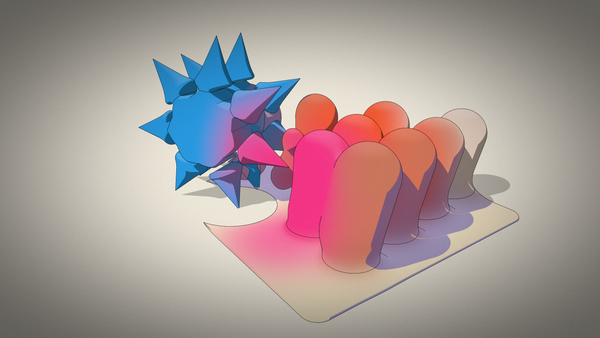
RealitySDFPhysics
Rigid bodies made of signed distance fields for RealityKit, so concave shapes collide as they are.

Rigid bodies made of signed distance fields for RealityKit, so concave shapes collide as they are.
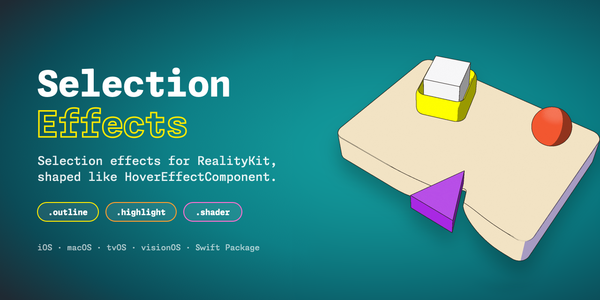
A HoverEffectComponent-shaped API for selections in RealityKit.
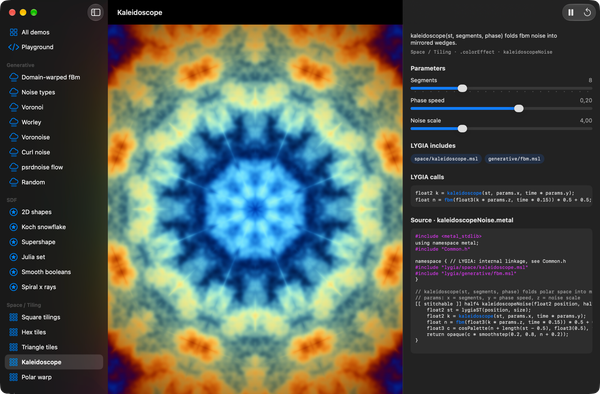
A native viewer for the Metal port of LYGIA
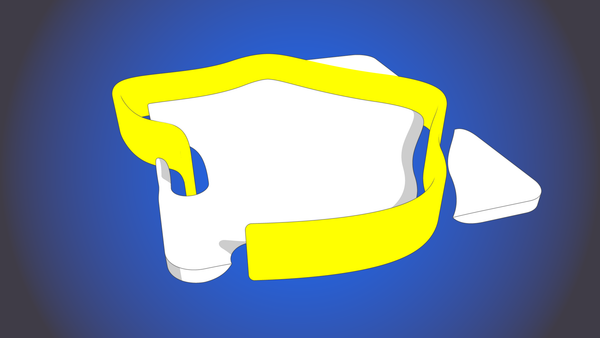
ℹ️Update (October 2026): This is now a Swift package Beyond the RealityView effect described here, it adds: * ARView support back to iOS 15 (UIKit/AppKit) via install(on:), prompted by Richard Hasson's email * outlines that follow moving entities (transforms refresh every frame, not just at selection) * multi-

This latest wave of fixture work extended the reverse-engineering effort across Reality Composer Pro’s built-in components. Now it's documented and implemented more fixture-backed components across Deconstructed and Uncannyuse, including Environment Lighting Configuration, Grounding Shadow, Image Based Light, Image Based Light Receiver, Virtual Environment Probe,

The previous inspector series parts explored attributes that map cleanly to USD: transforms, material bindings, and variant sets. Components are different. One might expect that RCP's component inspector would just show RealityKit components attached to entities—the same components you'd add in code at runtime. But
The next level of functionality in the RCP inspector offers deeper control over model linking, looks, and variations Bindings In OpenUSD, the terminology "Binding" comes from the UsdShadeMaterialBindingAPI. Unlike traditional formats where a material is simply a property of a mesh, USD treats materials as independent prims that
A continually growing list of interesting things found during exploration that have not yet been featured in the "Deconstructing Reality Composer Pro" series entries. Mapping from Prims to Entities RCP maintains a bidirectional mapping between RealityKit entities and USD prim paths. While public RealityKit doesn't easily

Dual-mode Inspector: scene layer shows global stage metadata (upAxis, metersPerUnit), while prim inspection displays transform, materials, and references. UI presents cm/degrees; USD persists meters/quaternions with rotationEulerHint for round-trip editing.
To implement the Scene navigator, we will need to handle .usd manipulation, and the best approach I have found is to use Apple's SwiftUsd project. Although it is a bit behind the standard and has some quirks with C++ interops, it remains powerful and convenient, and by including
Viewport is deep (modes, debug views, presets/history). We are going to implement just a working viewer + camera for this pass; chasing full parity will balloon scope. The main viewport is built with RealityKit, and we'll add a layer for gestures, a grid, and a simple Arcball implementation
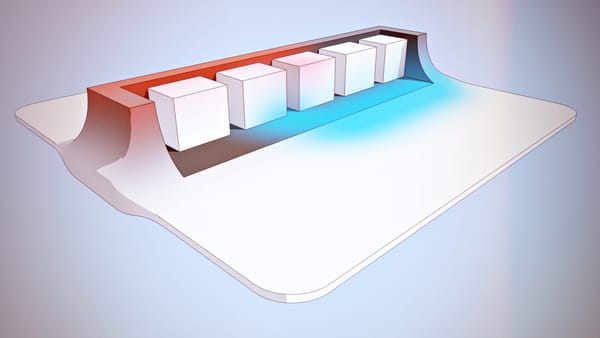
Part of what makes Reality Composer Pro a composer is asset management. Importing, soft validation, organizing, and iterating on the project structure are essential features to have in creative pipelines. The project browser in RCP is similar to Finder's grid view and, because of that, filled with UX
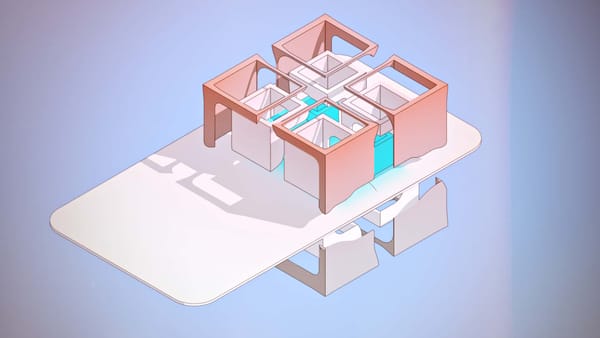
An exploration of the .realitycomposerpro document type. This post breaks down its structure as an SPM-backed package, the nested bundle system for assets, and how this layout could enable Xcode and `realitytool` processing.
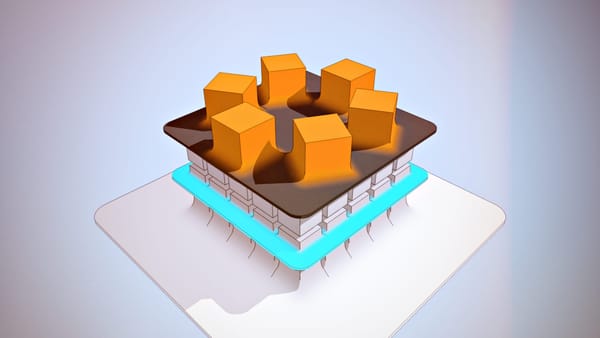
Reality Composer Pro prioritizes the transition of elements over direct emphasis on creation and debugging tasks. It's a portal where you transport raw, wild formats to more manageable, controlled, static-defined files that can be represented on RealityKit.
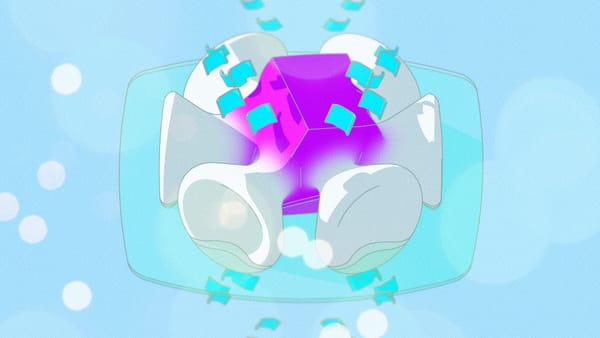
Xcode runs a verified two-pass process to compile .reality files: first generating USD schemas from your Swift components, then compiling them into optimized bundles.
...and there are strong reasons against it. The conversation could be philosophical, but it highlights the conflicting opinions on whether commercial interests should take precedence over human well-being. Also, the few potential exceptions could be handled in controlled environments using entitlements or research. What Does Your Gaze Reveal About

Art
Synthetic environments and traditional landscape paintings

WWDC
Just updated the data source to include WWDC25 contents and recompiled for Tahoe because it is nicer... Download Transwwdcripts v1.2Download Resourwwdces v1.1TranswwdcriptsIn the spirit of ASCIIwwdc, understanding that transcripts have significant benefits for accessibility and research, creates a situation in which making text versions of talks available becomes
WWDC
TL;DR * Spatial computing is in a transitional phase: the technology is robust, but the market and use cases are still catching up. * Apple’s approach is methodical, not flashy: rather than chasing hype, Apple is building the infrastructure—standards, APIs, specifications, developer tools—that will power the next wave

ARKit
TL;DR, If you want virtual environment light gradually replacing your real-world shaded objects, use Virtual Environment Probe. Achieving visual realism for virtual elements involves many parts, but lighting stands out as particularly challenging, especially in real-time rendering for platforms like visionOS and RealityKit. Material surface behavior in

TabletopKit
TL;DR, If you are interested in building a spatial game (or just about any immersive experience), you'll probably want to implement an architecture like TabletopKit. Create multiplayer spatial games on a virtual table surface and use FaceTime to invite players. TabletopKit first impressions We are creating a
RealityKit
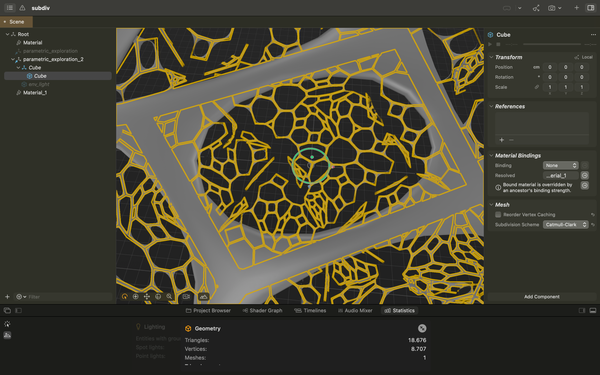
TL;DR: SubD can currently only be activated on Reality Composer Pro and for geometry using physically based (not custom) materials. While working with 3D, especially for real-time rendering engines like RealityKit (the current engine powering visionOS), balancing geometry, material types, sizes, and render passes is critical for creating

Accessibility
Towards Automated Accessibility Report Generation for Mobile AppsMany apps have basic accessibility issues, like missing labels or low contrast. Automated tools can help app developers catch basic issues…Apple Machine Learning Research One of the most commonly used tools for generating audits on Apple platforms is the Accessibility Inspector, specially

Accessibility
Conformance to accessibility standards reports or statements differ in format depending on region, but when referring to Information and communications technology products (ICT), they usually follow closely the Web Content Accessibility Guidelines (WCAG). The Voluntary product accessibility template (VPAT), a brief but informative review of how various WCAG criteria apply

RCP
Reality Composer from macOS (not Pro) was quietly sunset not too long ago. Aside from being a graphical editor that allowed for basic scene setup, it also had other great utilities, such as cross-platform preview and some popular features that allowed for creating interaction with triggers and events. Reality

Accessibility
Control Center is about to receive an update on the upcoming release of iOS 18. Controls are a new type of widget that extend app functionality into system spaces like Control Center, the Lock Screen, and the Action button.There are two types of controls: buttons and toggles. Controls use

Accessibility
In one of my most recent talks, I was asked during the Q&A session about recommendations on which approach to use to promote-advocate for accessibility within an organization. I swiftly went through the human/moral case, the legal case, and the business case, citing Apple practices, European

Shortcut
I'm an avid user of RSS, and Readwise Reader is my main funneling tool given its ability to combine read-it-later features with an RSS reader while simultaneously acting as a good citizen in a pipeline of highlighting. One use case that has grown in me over

WWDC
1679 links, 5 categories, 10 years. That is how many resources have been shared on WWDC editions since 2014. The categories are Sample Code, Documentation Guide, Developer Forum, and Download, and all of the goodies fit within those boxes. I already partially mentioned this for WWDC24 on the 108 Related

WWDC
In the spirit of ASCIIwwdc, understanding that transcripts have significant benefits for accessibility and research, creates a situation in whichmaking text versions of talks available becomes an essential feature. That is basically true these days for WWDC (thanks to the behind-the-scenes contributors who helped make these things happen)

Spatial Computing
Linda Dong and Mike Stern of Apple's Design Evangelism team gave a talk at Config 2024. The presentation's premise was already intriguing: how spatial computing unlocks new ways to experience and interact with user interfaces. The presentation video took some days after the event to be

Art
The fifth edition of +TALKS focused on robots, possibly in celebration of Johnny 5 (or not). From how materials impacts physical interaction with machines, the neuroscience-psychological quest on the perceived benefits or downsides of applying emotional traits to robots, to the unknown problems of mechanically creating a tesseract in